Best KDP Categories for Coloring and Activity Books (With Real Category Examples)
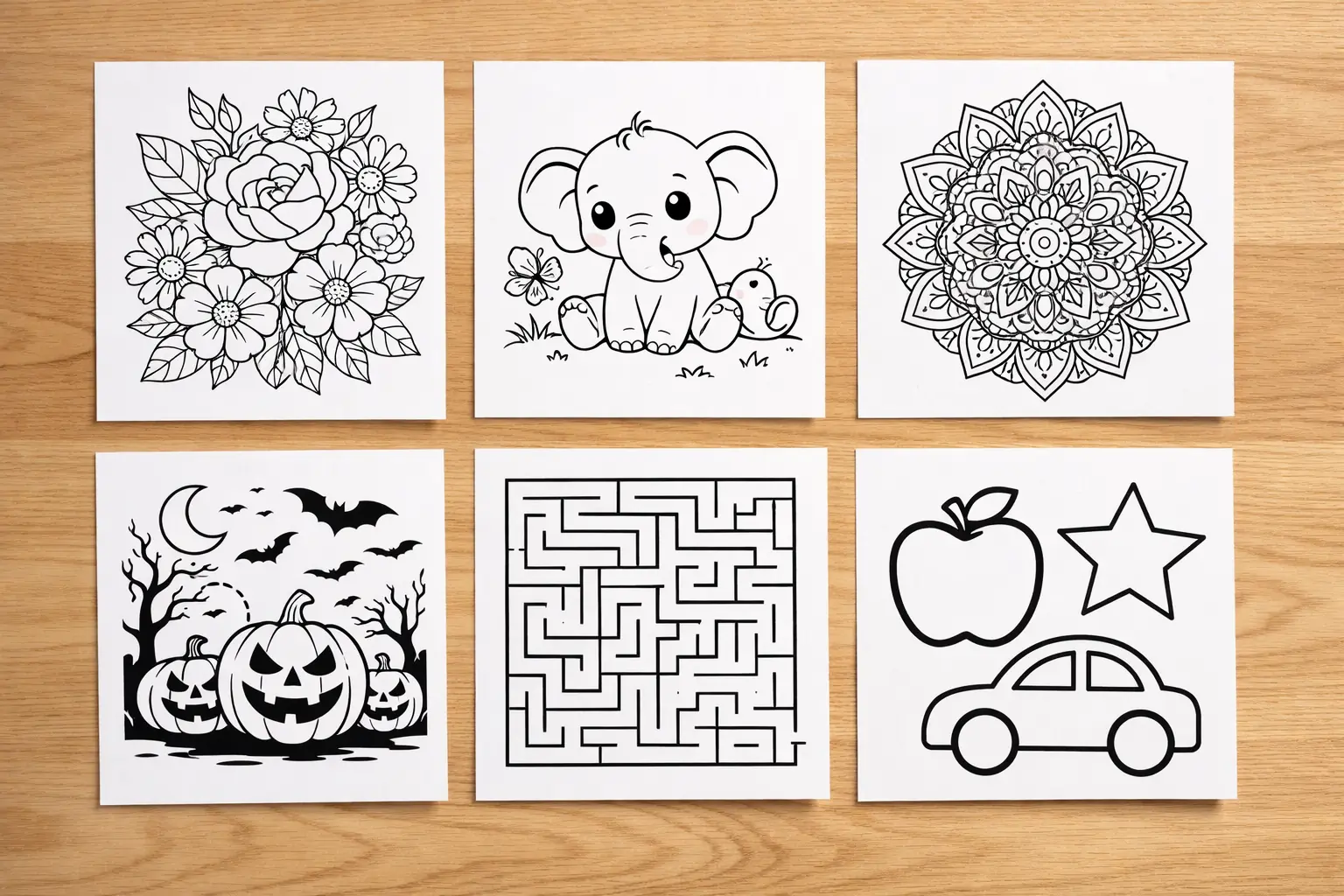
If your coloring book is in the wrong KDP category, it can be buried even when the cover, keywords, and interior are decent.
That is the real reason this topic matters. People searching best KDP categories for coloring and activity books are usually not looking for theory. They want to know which category choices make practical sense for the kind of book they are actually making.
This guide is built for that intent. Instead of vague advice about “choosing the best niche,” it focuses on a more useful question:
Which KDP category options make the most sense for adult coloring books, kids coloring books, mandalas, seasonal books, activity books, and bold-and-easy interiors?
One important note before we start: Amazon’s category system changes over time, and exact browse paths can differ by format, region, and listing workflow. So the best way to use this article is as a decision framework with real category-type examples, not as a promise that every path will appear exactly the same forever.
For adult coloring books, category choice should also reflect coloring book market trends 2026 because demand shifts by niche, season, and buyer intent.
Why category choice matters more than many creators expect
A lot of KDP creators spend most of their time on the interior, the cover, and keywords, then treat categories like a final form field.
That is a mistake.
Categories affect:
- who your book is grouped with
- what kinds of competing books surround your listing
- whether your product looks relevant when shoppers compare options
- how well your listing aligns with the buyer’s actual intent
A weak category choice does not automatically kill a book, but it can make a listing harder to interpret. That matters most for books like coloring books and activity books because they often sit near overlapping segments:
- adult coloring
- children’s coloring
- activity books
- puzzle or workbook-adjacent books
- seasonal gift books
- special-format interiors such as bold-and-easy pages
So the real goal is not to find one magic category. It is to pick the closest commercial fit for the actual book you are selling.
The simplest rule: categorize by buyer intent, not just by interior format
Here is the clearest rule in this whole article:
Choose categories based on what the buyer thinks the book is for, not just what is physically inside it.
For example:
- A mandala book for adults is not just a “pattern book.” It is usually bought as an adult coloring or relaxation product.
- A preschool tracing-and-coloring book is not just a coloring book. It may behave more like an early-learning activity book.
- A Halloween coloring book may still be a coloring book first, but its seasonal angle changes how people discover and compare it.
That shift sounds small, but it changes category decisions a lot.
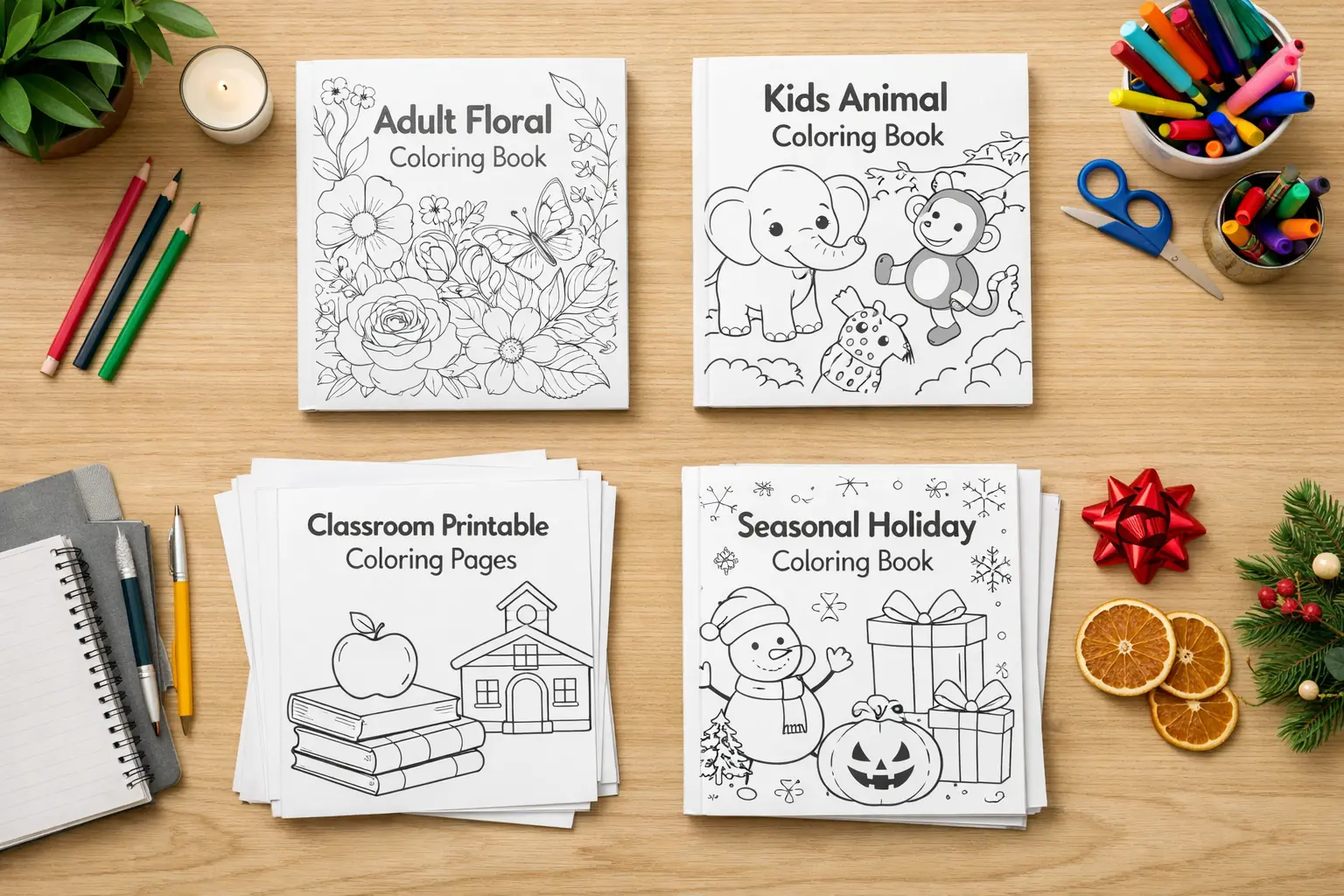
A practical framework for choosing the right KDP category
Use these four checks before you decide.
1. Who is the primary buyer?
Ask whether the listing is really for:
- adults
- parents
- teachers
- kids directly
- gift buyers
- seniors or beginners
The same visual style can perform differently depending on who the book is meant for.
2. What is the main job of the book?
Is the book mainly for:
- relaxation
- entertainment
- education
- seasonal gifting
- simple motor practice
- easy coloring accessibility
The job of the book often matters more than the art style.
3. What books will shoppers compare it to?
If a shopper lands on your listing, what other books should reasonably appear nearby?
That question often reveals category mismatch fast.
4. Would the category still make sense without your explanation?
If you had to show the listing to a stranger, would the category feel obvious from the cover and subtitle alone?
If not, the fit may be weak.
Real category-fit examples by book type
This is the section most searchers actually want.
The examples below are not meant to act as a frozen official Amazon path list. They are meant to show the kind of category logic that usually makes sense.
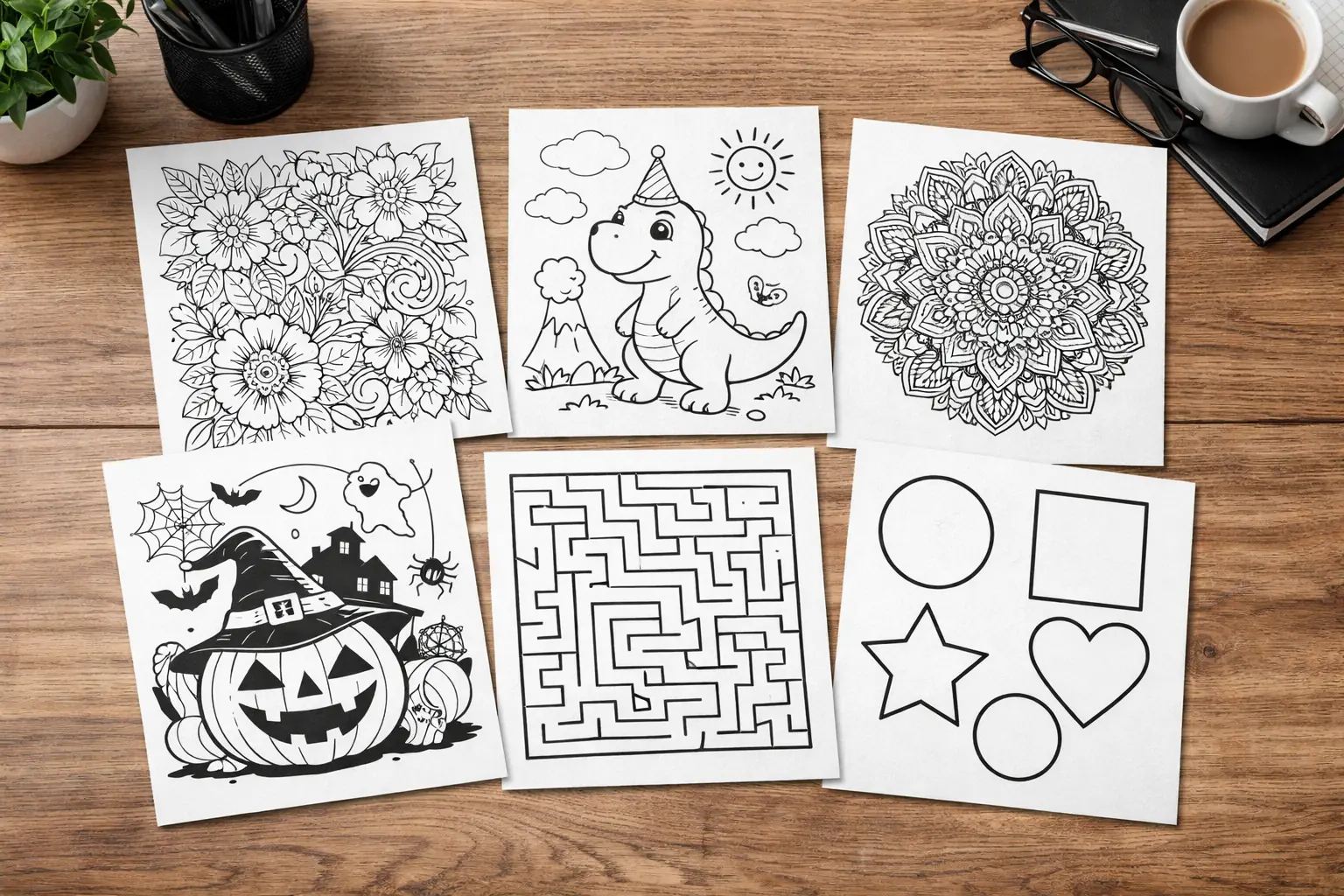
1. Adult coloring books
This is the most straightforward segment, but it still gets mishandled when creators use categories that are too broad or too child-oriented.
Adult coloring books usually fit best when the listing clearly signals:
- relaxation
- stress relief
- mandalas or patterns
- florals or themed adult line art
- hobby or aesthetic-driven adult use
Category logic that often fits
- adult coloring
- crafts, hobbies, or art-adjacent adult coloring sections
- relaxation or creativity-adjacent book groupings when available
Good examples
- floral stress-relief coloring book for adults
- gothic adult coloring book
- cozy interiors coloring book for adults
- mandala coloring book for adults
Common mistake
Putting a clearly adult product into a generic children’s coloring area just because it technically contains coloring pages.
2. Kids coloring books
Kids coloring books need a different lens. Buyers are often parents or caregivers, and they are comparing by age-fit, theme clarity, and simplicity.
Category logic that often fits
- children’s coloring books
- age-oriented children’s activity or learning-adjacent sections when the book includes more than coloring
- animal, alphabet, or preschool theme groupings if the positioning strongly supports that use
Good examples
- simple animal coloring book for ages 3 to 5
- alphabet coloring book for preschoolers
- first coloring book with bold shapes for toddlers
Common mistake
Using an adult-oriented or generic craft category when the real buyer sees it as a child development or preschool product.
3. Mandala coloring books
Mandalas look simple from a categorization standpoint, but they sit between visual style and buyer intent.
If the book is aimed at adults, the category should usually reflect adult use rather than just “patterns.” If it is a simpler mandala book for kids or beginners, the logic changes.
Category logic that often fits
- adult coloring if the use case is relaxation or intricate coloring
- pattern or design-adjacent coloring sections if the marketplace structure supports it
- beginner or easy-coloring positioning when the interior is intentionally simplified
Good examples
- intricate mandala coloring book for adults
- easy mandala coloring book for seniors
- beginner mandala coloring book with large shapes
Common mistake
Treating all mandala books as one category problem even though audience and complexity level can change the fit.
4. Seasonal coloring books
Seasonal books are easy to misunderstand because creators often think the season alone should decide the category.
Usually, seasonality is a positioning layer, not the whole categorization answer.
Category logic that often fits
- coloring-book category first
- seasonal or holiday-adjacent grouping second when available and relevant
- gift-friendly positioning in title, subtitle, and cover rather than relying on category alone
Good examples
- Halloween coloring book for adults
- Christmas coloring book for kids ages 4 to 8
- fall cozy coloring book for adults
Common mistake
Over-indexing on the holiday label while ignoring whether the book is still fundamentally for adults, kids, beginners, or activity-driven use.
5. Activity books for kids
This is where many books are miscategorized because the product includes coloring plus tracing, mazes, puzzles, matching, or simple learning tasks.
In those cases, the buyer may think of the book as an activity book first and a coloring book second.
Category logic that often fits
- children’s activity books
- early learning or workbook-adjacent sections when the educational component is real
- puzzle, maze, or mixed-activity groupings when the interior is not primarily coloring
Good examples
- maze and coloring activity book for ages 4 to 8
- preschool tracing and coloring workbook
- animal activity book with puzzles, coloring, and matching games
Common mistake
Forcing a mixed-activity interior into a pure coloring category when the strongest buying intent is “keep my child busy with multiple tasks.”
6. Bold-and-easy coloring books
This segment matters more now because some buyers want simpler, higher-contrast interiors for accessibility, motor comfort, or less visually dense coloring.
That audience may include:
- seniors
- beginners
- people who prefer large shapes
- parents buying easier pages for younger kids
Category logic that often fits
- adult coloring when the buyer is an adult beginner or senior
- children’s beginner coloring when the product is clearly for young kids
- easy-coloring or large-print adjacent positioning in copy when category options are limited
Good examples
- bold and easy coloring book for adults
- large-shape coloring book for seniors
- easy first coloring book for toddlers
Common mistake
Describing the product as bold-and-easy in the title but placing it in a category that signals intricate detail.
What category strategy usually works best
If you want the practical answer, it is this:
- choose the category that best matches the buyer’s first expectation
- support that choice with a clear title and subtitle
- make sure the cover matches the same audience signal
- avoid category choices that only make sense after explanation
That is not flashy advice, but it is the most reliable.
Where creators usually go wrong
The most common mistakes are:
- choosing categories that are too broad
- choosing categories based only on interior mechanics
- mixing adult and children’s signals in one listing
- relying on category choice to fix weak positioning
- copying the apparent category logic of unrelated bestsellers
A category can help a good listing, but it rarely rescues a confused one.
Where Coloring Book Engine fits, realistically
This part should stay grounded.
Coloring Book Engine does not choose your KDP category for you. That decision still depends on the audience, positioning, and format of the finished book.
What it can help with is the work that comes before that decision becomes obvious.
For example, it can help creators:
- prototype different book directions faster
- compare whether an idea feels adult, kid-focused, seasonal, or activity-driven
- generate draft interior directions before committing to a listing angle
- build multiple concept variations for testing different niches
That makes category decisions easier because the product concept itself becomes clearer.

A simple decision checklist before you publish
Before finalizing categories, ask:
- Is this book primarily for adults, kids, or a mixed buyer context?
- Is it mainly coloring, mainly activity, or a genuine blend?
- Does the title match the category logic?
- Would the cover make sense beside books in that category?
- If a buyer saw the listing cold, would the category feel natural?
If the answer is mostly yes, you are probably close.
Final takeaway
The best KDP categories for coloring and activity books are not universal. They depend on the actual buyer, the actual job of the book, and the books shoppers will compare it against.
That is why the most useful category strategy is usually not “find the biggest category.” It is:
- choose the clearest fit
- support it with strong positioning
- keep adult, kid, seasonal, and activity signals consistent
- make the listing understandable without extra explanation
If you do that, your categories start working as part of the listing instead of just sitting there as metadata.
Next step
If you are still unsure whether your concept behaves more like an adult coloring book, a seasonal gift book, or a kids activity book, the next useful move is not guessing the category at random. It is clarifying the product concept first, then choosing categories that match that concept cleanly.
That is exactly where a faster prototyping workflow can help.